The Rise of AI in Artistic Creation
The integration of artificial intelligence (AI) into artistic creation is revolutionizing the way we think about art, creativity, and expression. As technology continues to evolve, artists and creators are embracing AI tools, including the innovative porn ai generator, to push the boundaries of their work. This article delves into the profound impact of AI on the art world, examining how these tools work, their benefits, ethical considerations, and future trends. With the rapid rise of AI, understanding its role in artistic creation is imperative for both artists and art enthusiasts alike.
Understanding AI Technology in Art
AI technology in art encompasses a wide range of tools and processes. These technologies utilize algorithms and machine learning to analyze and generate creative content, ranging from visual art to music and literature. The advancements in neural networks and deep learning have paved the way for sophisticated AI models that can mimic human creativity. This technological revolution allows artists to explore new avenues of expression, blending traditional techniques with modern digital approaches.
How the Porn AI Generator Works
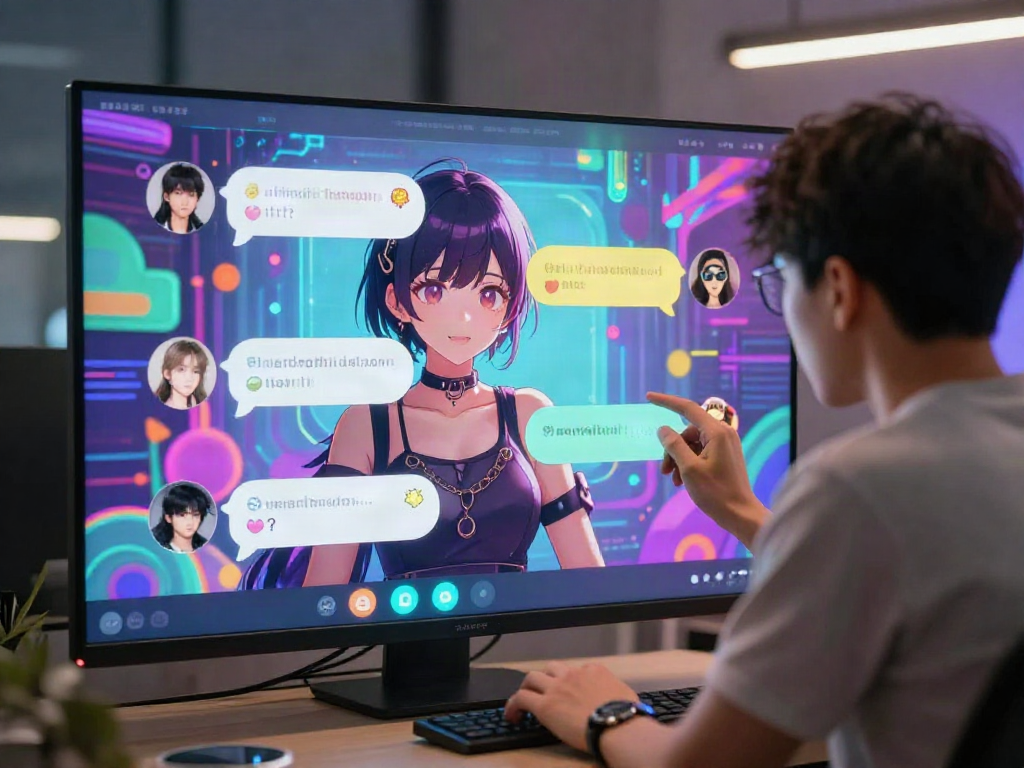
The porn AI generator operates by processing large datasets of existing artwork and imagery to learn styles, contexts, and themes. These models can then generate original content based on the patterns they've recognized. Users can input specific parameters, guiding the generator to produce artwork that meets their creative visions. By using various algorithms, these generators can create diverse outputs ranging from abstract art to more explicit forms, catering to a variety of audiences and artistic preferences.
Benefits of Using AI for Art Creation
- Enhanced Creativity: AI can introduce unexpected elements and combinations, offering artists new ideas and inspiration.
- Time Efficiency: Automation of certain artistic processes can save time, allowing artists to focus on refining their concepts and execution.
- Accessibility: AI tools democratize art creation, making it accessible to individuals without traditional artistic training.
- Customization: Artists can tailor AI outputs to fit their needs, generating personalized artwork that resonates with their vision.
Exploring Ethical Considerations
As with any technological innovation, the incorporation of AI into art raises significant ethical considerations. Discussions around ownership, copyright, and the moral implications of AI-generated content are increasingly prevalent. Artists must navigate the complex landscape of digital rights and the ownership of AI-generated works, ensuring they respect both their own and others' artistic contributions.
Ethics in Digital Art and AI Usage
The use of AI in digital art prompts urgent questions about authorship and accountability. When an AI creates a piece of art, who owns it—the creator of the AI, the user, or is it a new form of collective ownership? This ambiguity necessitates a deeper examination of the legal frameworks surrounding digital art and the protection of intellectual property.
Addressing Common Misconceptions
Many misconceptions exist surrounding AI-generated art, including the belief that AI can replace human artists. However, it is crucial to recognize that AI is a tool that complements, rather than supplants, human creativity. The role of the artist remains vital in guiding and refining the output of AI, merging technology with human emotion and intent.
Best Practices for Ethical AI Art Generation
- Transparency: Clearly indicate when a piece of art is AI-generated to maintain honesty with audiences.
- Respect for Original Works: Use AI ethically by ensuring that datasets are curated from works that respect copyright laws.
- Inclusivity: Include diverse perspectives in the training datasets to avoid bias in AI-generated content.
Techniques for Effective Implementation
Successfully integrating AI tools into the artistic process requires thoughtful setup and execution. Artists must consider their workspace, tools, and the methodologies they employ to maximize the benefits of AI-generated art.
Setting Up Your Workspace for Success
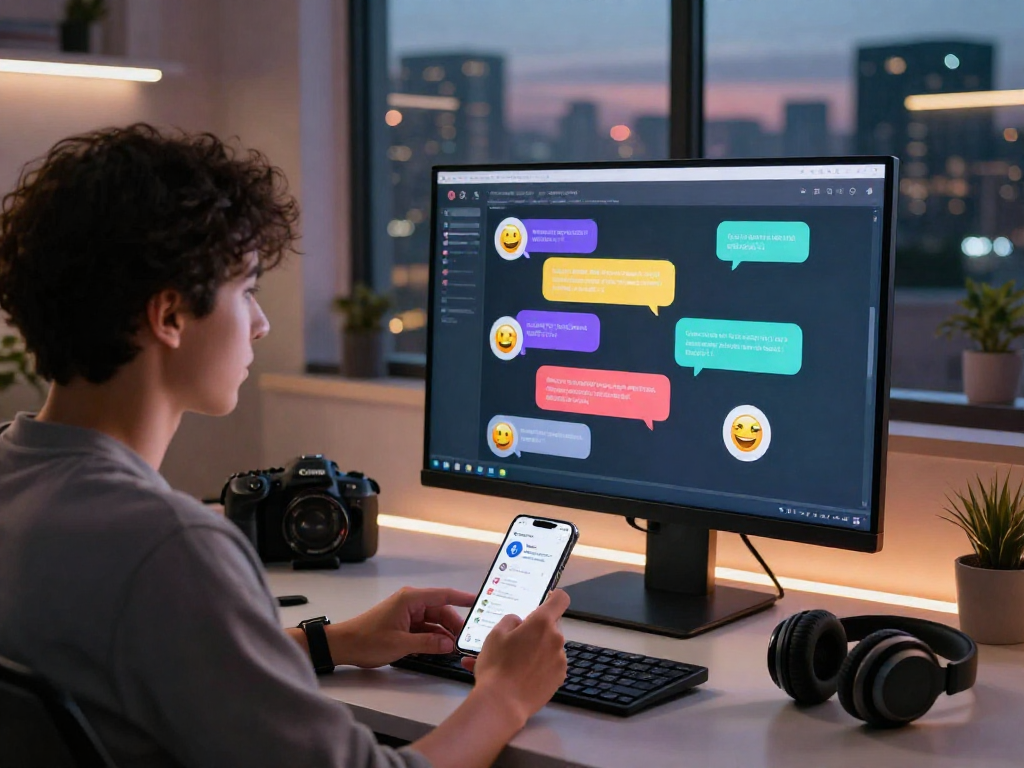
A conducive workspace is essential for creativity. Artists should create an environment that fosters inspiration, equipped with the necessary technology and resources. Consider design elements that stimulate the creative process, such as a functional layout, ample lighting, and the latest software tools suited for AI art generation.
Choosing the Right Tools and Software
Selecting the appropriate AI tools is crucial for achieving desired results. Artists should explore various software options, evaluating each based on functionality, user interface, and the community support surrounding them. Some popular tools include generative adversarial networks (GANs) and deep learning frameworks, which provide powerful capabilities for artists at all skill levels.
Step-by-Step Guide to Using the Porn AI Generator
- Research: Familiarize yourself with the capabilities and functionalities of the porn AI generator.
- Input Parameters: Determine the specific themes, styles, or subjects you want the generator to focus on.
- Generate Art: Run the generator and produce multiple variations of artwork based on your parameters.
- Refine: Select the outputs that resonate most with you and refine them as needed using traditional artistic techniques.
- Share and Analyze: Share your AI-generated art within your community and gather feedback to continue improving your approach.
Real-World Applications and Case Studies
The application of AI in art extends beyond simple generation; it has transformed how artists create, exhibit, and interact with audiences. Numerous case studies exemplify this trend, showcasing innovative projects that leverage AI technology.
Innovative Art Projects Featuring AI
One remarkable project is the collaboration between human artists and AI, where renowned artists combined their styles with AI capabilities to produce unique pieces. These collaborative efforts not only highlight the potential of AI in art but also celebrate the synergy between technology and human creativity.
Artist Experiences with AI-generated Content
Artists using AI have reported mixed experiences, ranging from exhilaration at the unexpected outcomes to frustration when results do not align with their vision. Documenting these experiences reveals valuable insights into the creative process and demonstrates how AI can both empower and challenge artists.
Success Stories from the Digital Art Community
Several artists have gained recognition through their innovative use of AI tools, attracting attention from galleries and collectors alike. These success stories serve as inspiration for both budding artists and those seasoned in traditional methods to explore the vast possibilities of AI in their work.
Future Trends in AI and Art
The future of AI in the art world is bright, with emerging technologies poised to reshape artistic expression profoundly. As we look ahead, several trends are beginning to take shape.
Emerging Technologies to Watch By 2026
Advancements in AI will continue to evolve, leading to more sophisticated tools that can better understand artistic nuances and context. Expect to see developments in augmented reality (AR) and virtual reality (VR) that will offer immersive ways to experience AI-generated art.
Predictions for AI in the Art World
By 2026, AI is predicted to play an integral role in both the creation and curation of art. We may witness a shift in traditional art forms, with AI-generated pieces becoming more mainstream. Moreover, the collaboration between AI and human artists will likely result in hybrid forms of art that challenge our perceptions of creativity.
How to Stay Ahead in Digital Art Innovations
To remain competitive in the rapidly evolving landscape of AI and art, artists must commit to continuous learning. Engaging with new technologies, participating in workshops, and collaborating with peers will help artists adapt to trends and leverage AI tools effectively.
What is a porn ai generator?
A porn AI generator is a specific type of artificial intelligence tool designed to create adult-themed artwork. These generators use algorithms to produce imagery that aligns with user-defined parameters, allowing for a diverse range of creative outputs.
Can AI-generated art be patented?
The patentability of AI-generated art is a complex issue. As laws vary by jurisdiction, current regulations often struggle to keep pace with technological advancements. Generally, the creator of the AI may retain rights to the generated work unless explicitly stated otherwise.
What are the limitations of using AI for art?
Despite its potential, AI-generated art comes with limitations, including the risk of homogenization, dependence on existing datasets, and the loss of the personal touch inherent in traditional artistic practices. Balancing AI input with human creativity is essential to overcome these challenges.
How do artists feel about AI in their work?
Artists' opinions on AI vary widely. Some view it as a valuable tool that enhances creativity, while others express concerns about its implications for originality and artistry. Ongoing dialogue in the creative community will shape how AI is perceived and utilized in artistic endeavors.
What skills are needed to work with AI art generators?
To successfully work with AI art generators, individuals should cultivate a blend of technical and creative skills. Understanding the basics of machine learning, proficiency in using digital tools, and strong conceptual art skills will empower artists to make the most of AI technology.